

Bot Trading Volume, Copy Trading Volume, and Cumulative Trading Volume (spot, futures, bot, and copy trading combined). HMRC is aware that several registration form SA1s are being incorrectly rejected, despite the address provided fully matching data on HMRC systems. The consultation asks for thoughts on the issues the timing mismatch causes and asks how you might mitigate these issues. The initial intention would be to concentrate on resolving issues specifically on offshore interest, but it asks if it would be better to deal with all non-UK investment income in the same way. For customers that are unable to access and use our digital channels, HMRC will always provide a service to meet their needs.

Maintaining Accurate Records
Always use separate bank accounts for personal and professional finances. It’s like misjudging the size of a puddle and ending up ankle-deep in water. Set aside a portion of your revenue for taxes each month to keep your feet dry. Missing a tax deadline is like missing the last train home—you’ll end up with a penalty, and it’s often costly. As a sole trader, you must pay personal income tax on all business profits at the applicable individual rates.
- HMRC has the right to disallow any claims it deems excessive or unnecessary.
- As a self-employed individual, it is important to keep accurate records of your finances.
- PAYE stands for Pay As You Earn and applies to sole traders with employees.
- At public or private limited companies, income tax is automatically deducted from an employee’s paycheque.
- QuickBooks even has a version for freelancers and self-employed individuals.
- Ultimately, diligent record-keeping is beyond crucial for tax preparation, performance assessment, informed decision-making, regulatory compliance and securing financial backing.
- By staying informed and proactive, you’ll navigate the financial aspects of your business with confidence and ease.
Business Leaders Are Under Unprecedented Pressure – But Have Unprecedented Opportunities
- Last but not least, we would be remiss if we didn’t reassure you that, oftentimes, juggling the management of a self-employed business and one’s sole trader accounts can prove to be too much.
- With Making Tax Digital (MTD) rolling out, it’s advisable to get used to a digital system.
- This process helps ensure that all financial data is accurately recorded and reported.
- This refers to sole trader’s contributions towards social security and Medicare.
This gives you a clearer picture of your financial performance as a sole trader. Dear auto-entrepreneurs, yes, you too have accounting obligations (albeit lighter!). As mentioned above, you can manage bookkeeping yourself using software like QuickBooks. QuickBooks even has a Accounting for Churches version for freelancers and self-employed individuals. Dear auto-entrepreneurs, yes, you too have accounting obligations (albeit lighter ones!). It’s important to note that hiring a professional does come with a cost.
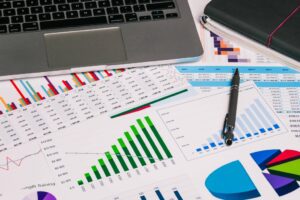
Setting up a chart of accounts
Accounting might seem a bit like a tightrope walk – daunting at first but manageable with some balance and focus. As a sole trader, you need to lay solid foundations with basic accounting principles. These will help to keep your financial activities accurate and straightforward. When you’re diving into the world of sole trading, sole trader accounting it’s crucial to remember legal and tax responsibilities are part of the package. Just as a car needs regular checks to keep running smoothly, your business requires constant attention to its legal and tax obligations to avoid any speed bumps. For tax purposes, you’ll need to stay on top of regulations and deadlines.
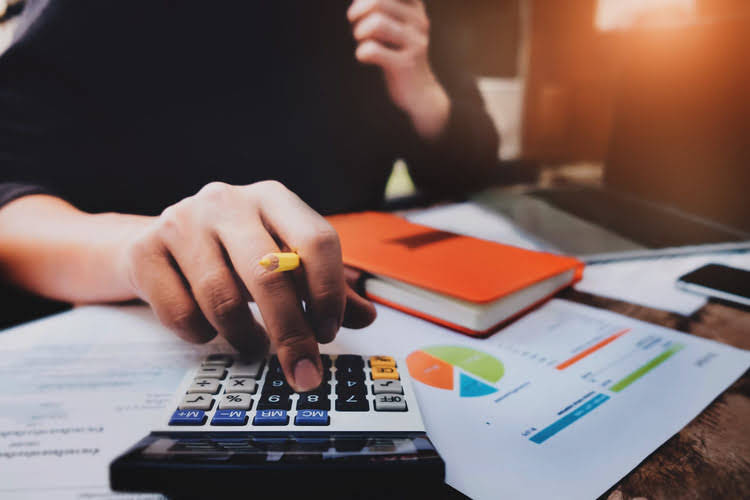
Bookkeeping is the process of keeping track of the money your business makes and spends. It involves recording all financial transactions, such as sales, purchases, expenses, and payments. Keep track of your income and expenses, monitor inventory and assets, and reconcile bank accounts regularly to ensure accurate financial statements. By staying on bookkeeping top of your finances, you’ll be able to make informed decisions about pricing, budgeting, and future investments that will help you grow your business.

Review detailed profitability analytics including gross margins, net margins, and performance vs prior years. Breakdown expense contributions and identify problem spending areas for next year’s improvements. This simple step will ensure that you’re in a good position to start the next financial year running. With Making Tax Digital requiring quarterly updates, much of the legwork involved in submitting income and expenditure totals to HMRC is now taken care of. There are some extra steps you can take to get your accounting records finalised ahead of calculating the total tax owed and filing your self-assessment. Platforms let you automatically download the latest bank and credit card transactions ready to match in your system.
This is to ensure that you can provide evidence of your income and expenses if required. HM Revenue & Customs (HMRC) recommends that you keep your records for at least 5 years after the 31 January submission deadline of the relevant tax year. To ensure accuracy, it is important to keep your records organised and up to date. You can use software to help you keep track of your income and expenses.